Which utilities serve most of New Jersey for electrical power?
Major New Jersey utilities include Public Service Electric and Gas, Jersey Central Power & Light, and Atlantic City Electric, serving urban, suburban, and rural areas.
20 cities · Statewide pickup
New Jersey's generator market spans dense urban centers, industrial hubs, healthcare facilities, data centers, commercial sites, and coastal communities with distinct backup-power and removal requirements.
A few photos and the kW rating are enough to start.
Why sell to us
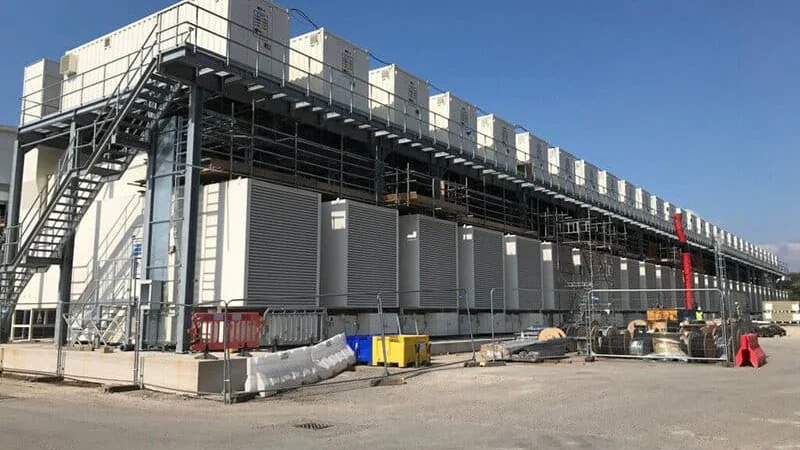
New Jersey's pharmaceuticals, manufacturing, chemical processing, healthcare, commercial facilities, and growing data-center market depend on resilient power systems. Replacement and decommissioning projects can create complete generator, transfer-switch, load-bank, and switchgear packages for direct acquisition.
What we buy
PSE&G, JCP&L, and Atlantic City Electric serve a state exposed to hurricanes, nor'easters, coastal flooding, wind, and seasonal peak demand. Backup assets remain part of risk management even as utilities modernize the grid.
Local pickup
How it works
North Jersey combines dense urban and industrial demand; Central Jersey balances suburban and commercial loads; South Jersey includes rural and agricultural sites; and the Shore faces distinctive coastal storm and flooding exposure.
Logistics and payment
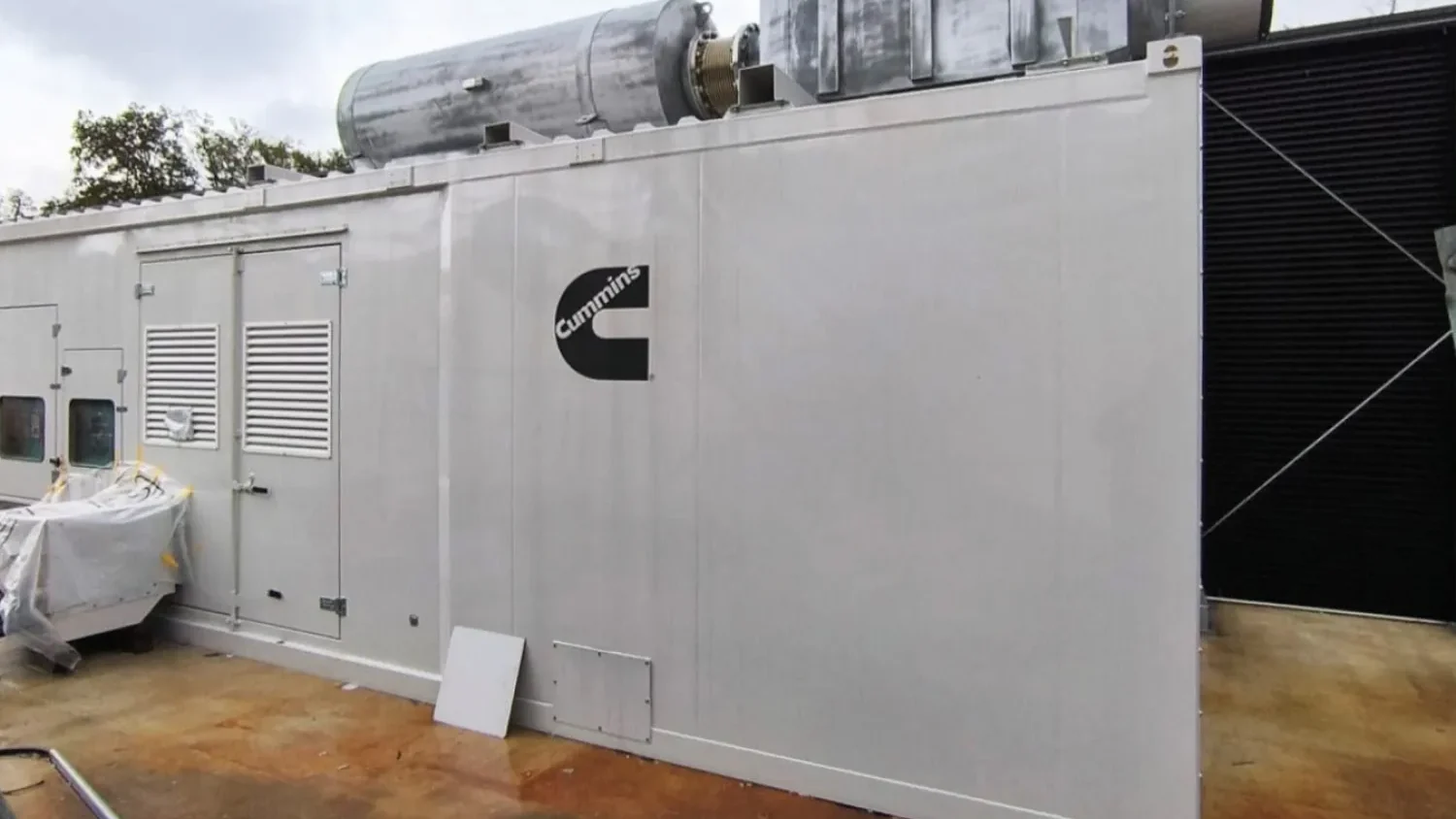
Projects begin with load and application requirements, then fuel and equipment selection, installation and permitting coordination, and a maintenance plan. For equipment being removed rather than installed, the buying team evaluates the existing system, confirms access, and coordinates the approved transfer.
Common questions
Major New Jersey utilities include Public Service Electric and Gas, Jersey Central Power & Light, and Atlantic City Electric, serving urban, suburban, and rural areas.
Hurricanes, nor'easters, coastal flooding, wind, and summer peak loads can damage infrastructure or stress the grid, increasing the importance of planned backup power.
Generators support pharmaceuticals, manufacturing, chemical processing, data centers, healthcare, commercial facilities, construction, and continuity planning.
Portable units can provide limited residential backup when correctly sized and operated with appropriate transfer equipment, ventilation, fuel handling, and safety practices.
Climate exposure, utility reliability, application, load, fuel, emissions, zoning, permitting, sound rules, flood risk, and service access can all matter.
Ready to move the unit?